Optimal Timing for Photovoltaic Fan Installations
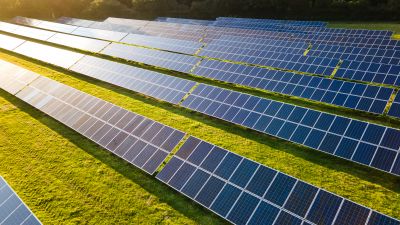
Ways to make Photovoltaic Fan Installations work in tight or awkward layouts.
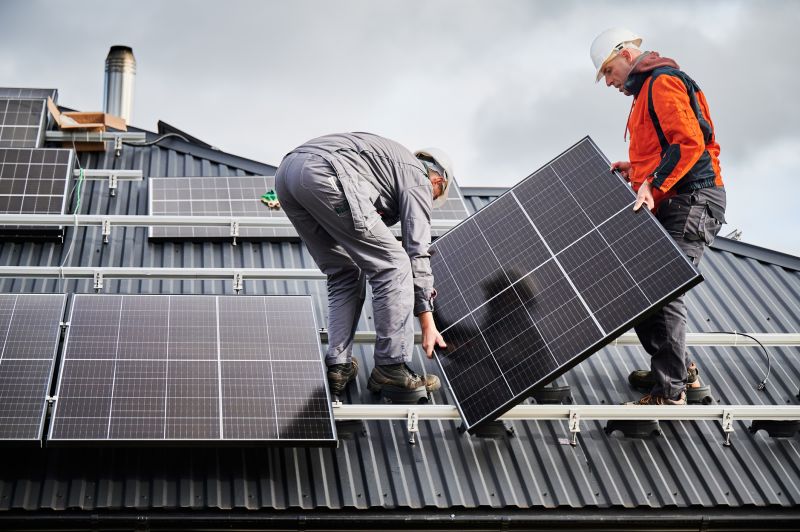
Popular materials for Photovoltaic Fan Installations and why they hold up over time.
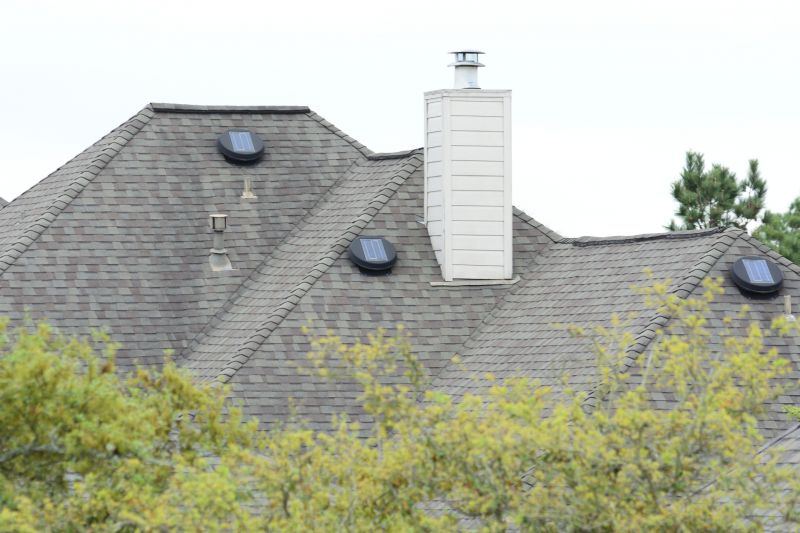
Simple add-ons that improve Photovoltaic Fan Installations without blowing the budget.
Photovoltaic fan installations are most effective when performed during periods of optimal sunlight exposure. The timing of installation can influence the efficiency and longevity of the system. Typically, the best time for installation aligns with seasons of consistent sunlight, such as late spring through early fall, depending on geographic location.
Installing photovoltaic fans during these periods ensures maximum energy capture and reduces the risk of weather-related delays. Proper planning around seasonal weather patterns can enhance system performance and reduce potential disruptions during installation.
Spring and summer months generally provide the best conditions for installation due to longer daylight hours and stable weather.
Avoid installation during periods of heavy rain, snow, or storms to ensure safety and optimal equipment performance.
Timing installations before peak energy demand seasons can maximize benefits and system efficiency.
Local climate patterns influence the ideal window for installation, with sunnier regions offering more flexibility.
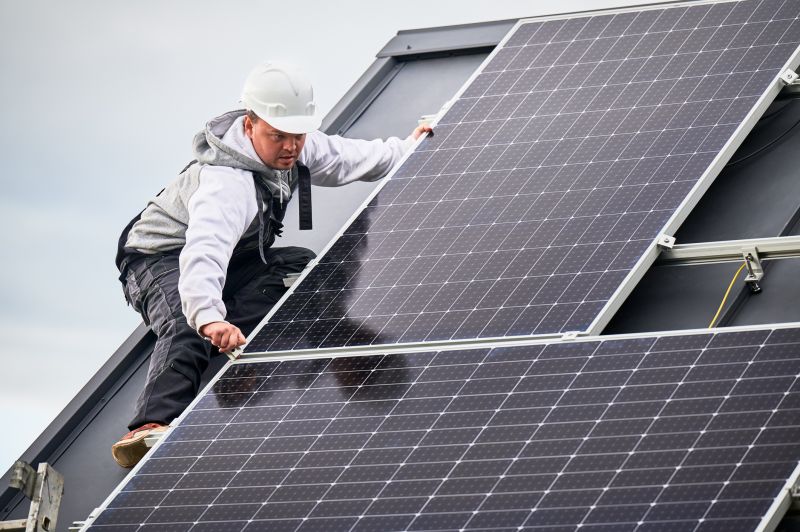
High-end options that actually feel worth it for Photovoltaic Fan Installations.
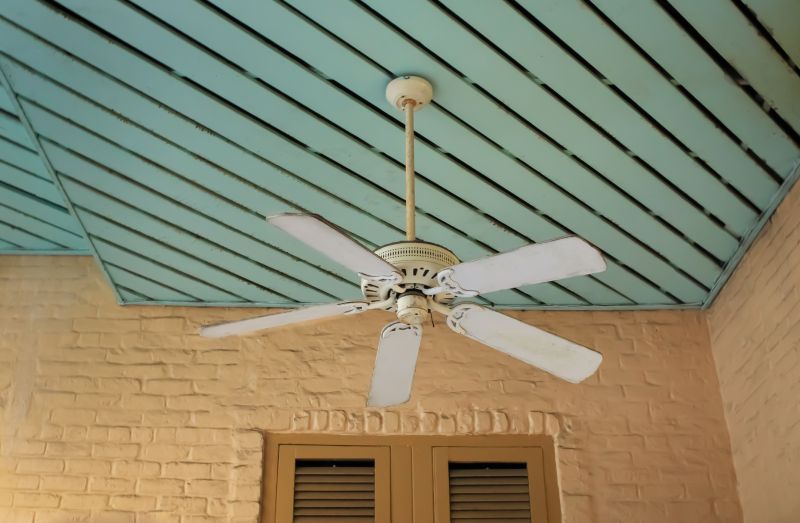
Finishes and colors that play nicely with Photovoltaic Fan Installations.

Little measurements that prevent headaches on Photovoltaic Fan Installations day.
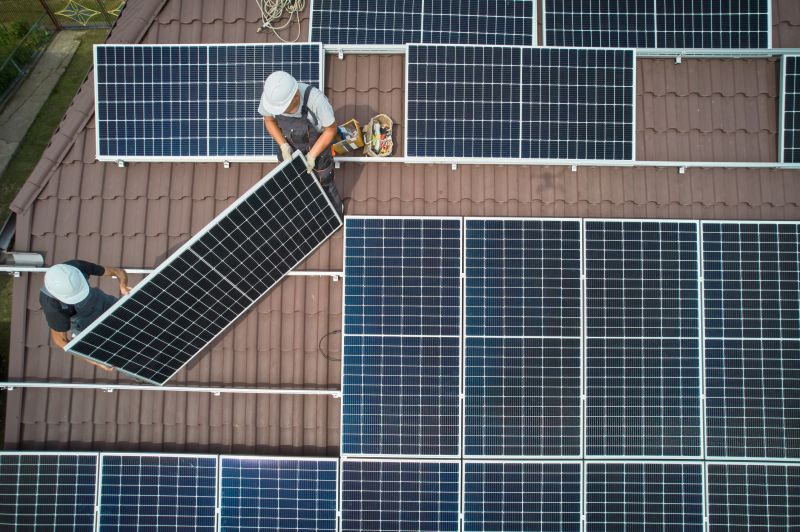
A 60-second routine that keeps Photovoltaic Fan Installations looking new.
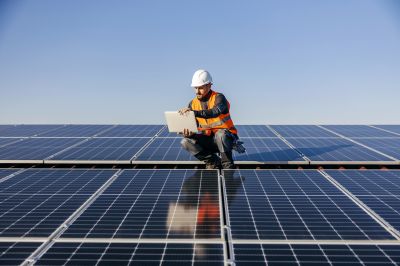
A frequent mistake in Photovoltaic Fan Installations and how to dodge it.
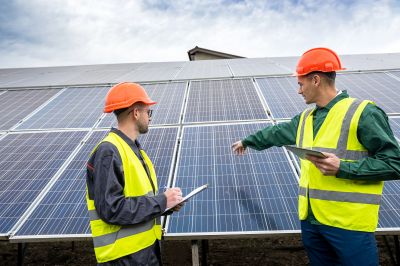
Small tweaks to make Photovoltaic Fan Installations safer and easier to use.
| Season | Optimal Installation Period |
|---|---|
| Spring | March to May |
| Summer | June to August |
| Fall | September to November |
| Winter | Limited, depending on climate |
Photovoltaic fan installations involve integrating solar-powered ventilation systems into buildings to improve airflow and reduce internal temperatures. These systems harness sunlight to operate fans that help regulate indoor environments efficiently. Proper installation timing can significantly impact system performance, energy savings, and maintenance needs.
Statistics indicate that solar ventilation systems can reduce cooling costs by up to 40%. Ensuring installation during periods of high solar availability maximizes energy capture and system efficiency, leading to better long-term performance.
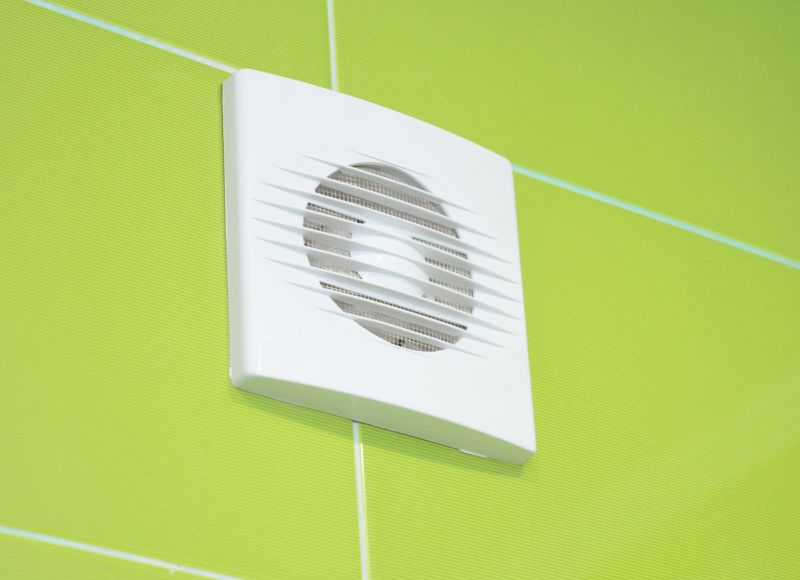
Lower-waste or water-saving choices for Photovoltaic Fan Installations.
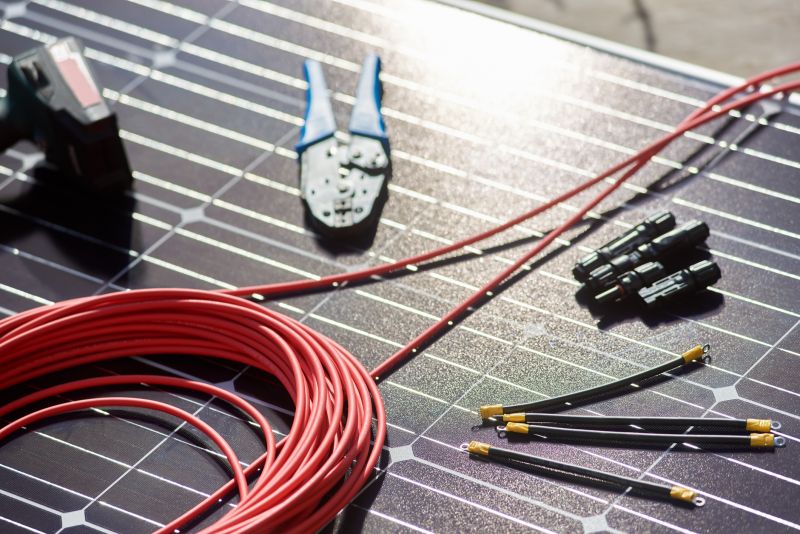
The short, realistic tool list for quality Photovoltaic Fan Installations.
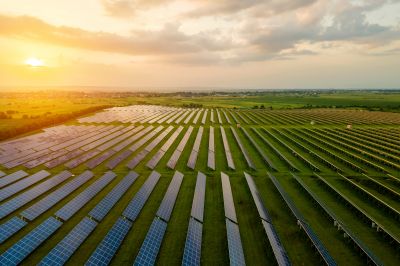
Rough timing from prep to clean-up for Photovoltaic Fan Installations.
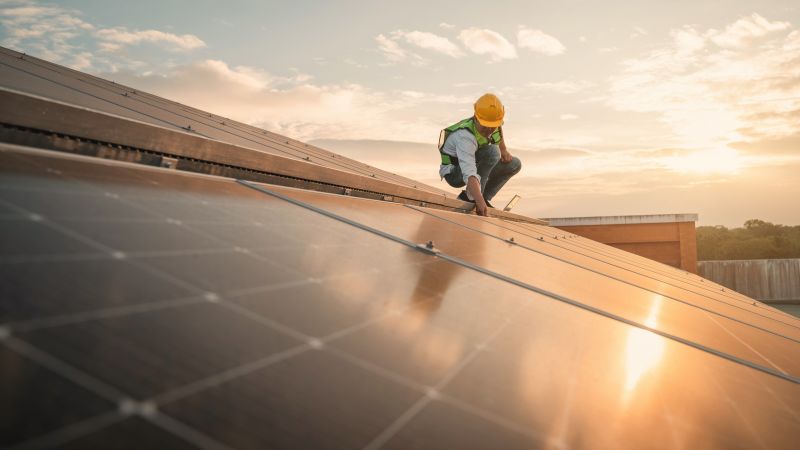
Quick checks and paperwork to keep after Photovoltaic Fan Installations.
Interested parties are encouraged to contact for more information about photovoltaic fan installation options and scheduling. Proper timing and planning can optimize system benefits and ensure efficient operation.